My Best Self
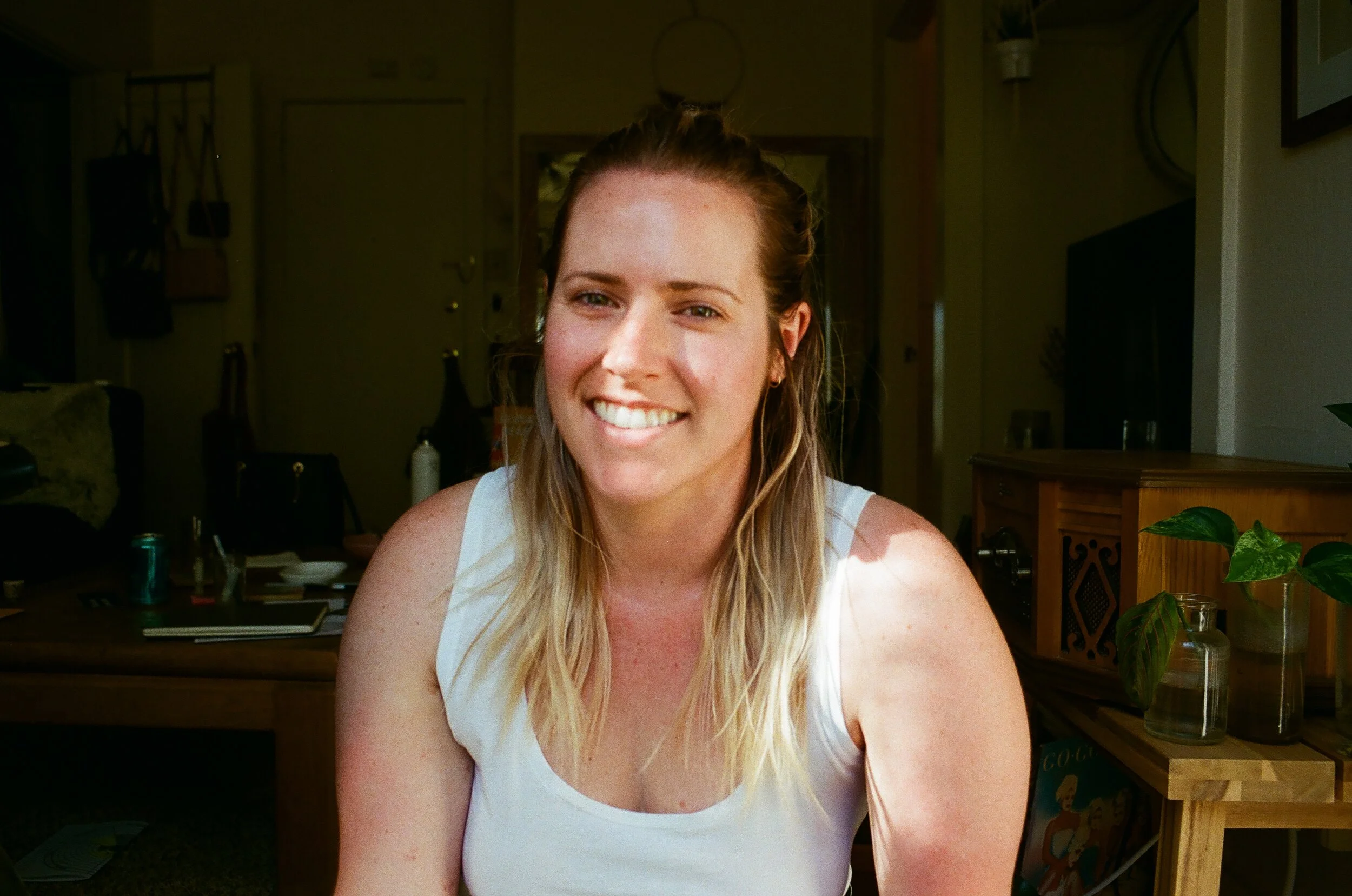
Here are some quarantine self-portraits that make me happy.
xxo
Here are some quarantine self-portraits that make me happy.




xxo

Earlier this week I wrote a post about this podcast. Highly recommend. I’ve been sitting with several things that stood out for me.
I watched this beautiful film about a “transgender star at sundown”. The cinematography is gorgeous. Her words are powerful, and I get chills every time I watch it. I started following Nowness on Instagram and their IGTV is full of beautiful films and pieces. I spent a couple hours last night going through several of them.
As with several films in my queue for months, I’ve had Between The World And Me on my Kindle for almost a year now, but am only just now diving into it. There are so many things I want to highlight, but then I feel like I would just end up highlighting the whole book.
I’ve been doing some reflecting on why this is, why I’ve had movies about Black people, or with predominantly Black casts, or books by Black authors, and yet I let them sit in my queue or library for months…



Last summer I saw a documentary, called This Changes Everything, about the lack of representation of women in Hollywood. Something shifted in me when the actors, producers, directors and other professional women they interviewed for the documentary talked about girls of color really not seeing themselves in mass media. When you do not see someone who looks like you in a role or position in life you are striving for, it is harder to imagine you could actually do that job, or have that career, or make that difference. This is something I never thought much about, because even though women are underrepresented in just about everything, or given archetypal roles of “good girl” or “bad girl,” I still saw myself in those roles because I am White. I have always seen myself reflected in media, no matter the format.
I’m embarrassed to say that one of the reasons the books and movies about POC have remained unwatched or unread is because I thought I wouldn’t be able to relate to the characters. What I’m realizing in now diving into this kind of content is that I have kept my head in the sand for too long. I am going to graduate school to become a therapist. I want to be able to serve all people, not just ones who look like me or have a similar background to mine. I am learning about different cultures that are rich with color, vibrancy, community, traditions, and faith. And I hope this education and expansion of knowledge continues for the rest of my life.

xxo
She also needs coffee, ice cream, alcohol, cheese and charcuterie boards, salty french fries, sweet fruit, chocolate…you get the idea. Making sourdough bread during quarantine has been a fun project, a way to create something of comfort, and a way to share the product of my labor with those I care about.
I hope you enjoy this video! And hit me up for a fresh loaf, or some starter of your own to make it yourself!
xxo

I listened to an episode of the podcast Code Switch titled “Can We Talk About Whiteness” on my morning walk today. This episode was hosted and facilitated by Shereen Marisol Meraji and Gene Demby. In the beginning of the episode, Gene points out that we’re not used to talking about White people directly as their own identity group. This is something I’ve reflected on in recent years, especially in my first year of my counselor education graduate program, when trying to define my own identity, and the culture in which I grew up in. I rarely identify as White. In reflecting on my childhood, I came to the conclusion that my culture was Evangelical Christianity, since it played such a huge part in my development as a child and adolescent. But even that feels like a bit of a stretch.
I remember feeling jealous of people who, in my eyes, had a more obvious culture, like Latinx, African American, Asian, etc. I wished I had the specific foods, rituals, holidays, celebrations, etc., that I saw in people of color. Shereen then goes on to point out that when you hear terms like Soccer Mom, Middle Americans, or NASCAR Dad, you automatically think of or visualize in your head a White person. Because White people have always been the majority in which I grew up, it simply became the default archetype for me.
One of their guests, Catherine Orr, a professor at Beloit College in Wisconsin, teaches a course called “Whiteness.” She said that when you are White, race is often seen as what other people have. This was clearly my perspective and assumption until recently. Being a feminist and beginning to unpack the ways White feminists oppressed women of color, Catherine’s statement that “women have an investment in innocence” struck me. She goes on to say that her White, female students are typically liberal and talk about social justice. It’s almost as if they think, If I do the work and take her class on Whiteness, then I’ll be one of the good ones. Catherine calls this a “racial alibi.” Wow. That was poignant for me. I will be thinking about that and my own work for a very long time.
I highly suggest listening to this podcast episode. And I’ll keep doing the work, too.
xxo

Here are the things I’ve been absorbing this week to better educate myself of people of color (POC), and Black lives in particular:
13th - This documentary on Netflix is about how America transitioned from slavery to prisons for Black people. I have learned over the last year or so that our prison systems in America are incredibly overcrowded. But this film showed how they came to be that way. One of the things I appreciated about the film is the information regarding policy, laws and other acts that previous presidents put into place regarding policing and our prison systems. It also brought to light for me the disgusting words and beliefs of our current president when it comes to prison reform and POC.
See You Yesterday - I’m embarrassed to say I’ve had this movie in my Netflix queue for several months, but it took the events of the last two weeks to get me to sit down and watch it. I thought it was a great film, showing the culture and colors of Brooklyn and the Black community. Eden Duncan-Smith kills it as the lead of this movie, which appears at first to simply look at time-travel, but grows into a story about racial injustice, mistaken identity, and the prejudices toward and shootings of Black people by police.
I watched this episode of Last Week Tonight with John Oliver and found it very educational. My initial reaction to “defund the police” was opposition and fear. I know there are good cops and bad cops. But I also have only ever felt like police were there to protect me. I’ll never understand the fear and anxiety in knowing you will be stereotyped (and so much worse) because of the color of your skin. As a counselor in training, I’m seeing the urgent need for more funding for social causes like housing, drug rehabilitation, family services, and others. We cannot expect police, who do not have the appropriate training, to fix these issues.
I’ve got a couple books on order from Amazon, so much more to come!
xxo